
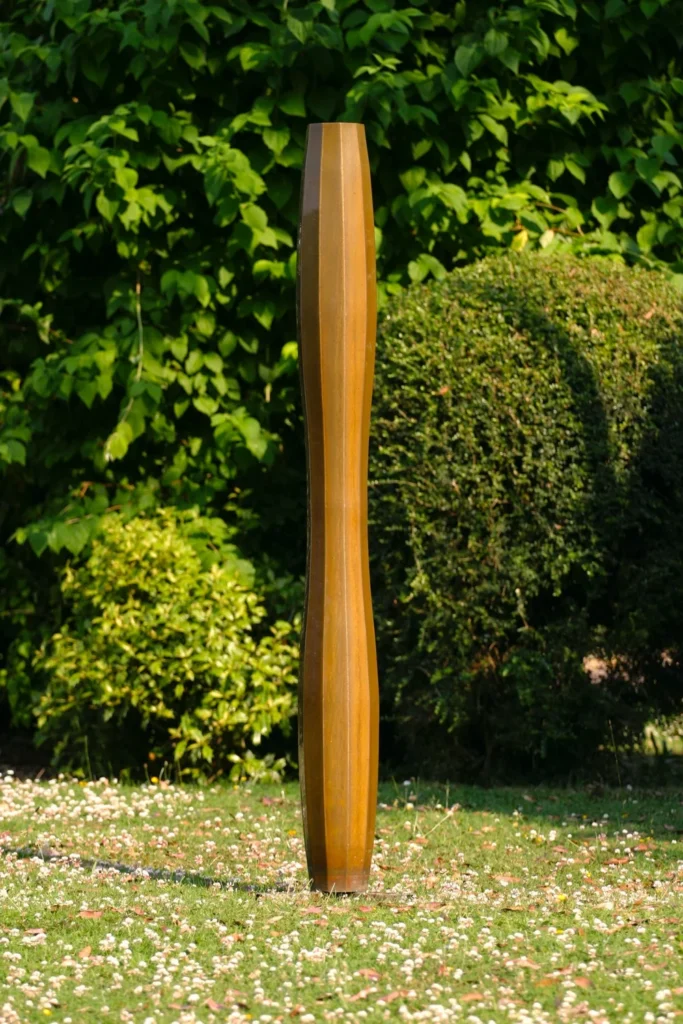
Modern water sculptures occupy a unique position within the world of landscape design. Combining artistic creativity with technical precision, they bring together the visual impact of contemporary sculpture and the calming qualities of flowing water. While these installations appear effortless when viewed in a finished garden or public space, the process behind their creation involves a careful balance of design, engineering and craftsmanship.
Water has long been recognised as one of the most powerful elements in landscape architecture. Its movement, sound and reflective qualities can dramatically influence the atmosphere of an outdoor environment. When integrated into a sculptural form, water becomes more than a feature. It becomes an active component of the artwork itself, continuously changing and interacting with its surroundings.
The design process begins with a clear understanding of the intended setting. Every location presents unique opportunities and challenges. Factors such as available space, sightlines, architectural style and landscape features all influence the direction of the design. A sculpture created for a contemporary courtyard may require a very different approach from one intended for a large country estate or public installation.
At this stage, the relationship between sculpture and environment becomes particularly important. A successful water sculpture should feel connected to its surroundings while maintaining a strong identity of its own. Scale, proportion and positioning all play a vital role in achieving this balance.
Material selection is another critical consideration. Contemporary water sculptures are commonly produced using stainless steel, bronze, aluminium and other durable metals capable of withstanding outdoor conditions. These materials not only offer longevity but also provide distinctive visual qualities. Polished surfaces can create dramatic reflections, while textured finishes introduce depth and character.
The interaction between water and material is equally important. Water flowing across metal surfaces can create constantly changing reflections, producing visual effects that evolve throughout the day as lighting conditions change. This dynamic quality is one of the reasons water sculptures remain such captivating additions to outdoor spaces.
Behind the artistic design lies a significant amount of technical engineering. Water circulation systems must be carefully planned to ensure reliability and efficiency. Pumps, reservoirs, filtration systems and concealed pipework all need to function seamlessly without distracting from the visual appearance of the sculpture itself.
Achieving the desired water effect often requires extensive testing and refinement. The flow rate must be precisely controlled to create the intended movement, whether that involves a smooth sheet of water, gentle cascades or more dramatic displays. Even minor adjustments can significantly alter the final appearance and sound of the feature.
Sustainability has also become an increasingly important aspect of modern water sculpture design. Contemporary systems are often designed to recycle water continuously, minimising waste while reducing maintenance requirements. Advances in pump technology and filtration systems have made it possible to create highly efficient installations that remain visually impressive while operating responsibly.
One of the most rewarding aspects of creating bespoke water sculptures is the opportunity for collaboration. Landscape architects, garden designers, property owners and artists frequently work together throughout the design process. This collaborative approach ensures that the final installation not only functions effectively but also fulfils the creative vision of everyone involved.
The finished sculpture represents far more than a decorative feature. It becomes a focal point, drawing attention and encouraging interaction with the surrounding landscape. The movement of water introduces life and energy, while the sculptural form provides structure and artistic expression.
As contemporary garden design continues to evolve, water sculptures remain among the most sought-after features for discerning homeowners, designers and developers. Their ability to combine beauty, innovation and functionality makes them a powerful addition to any outdoor space.
Ultimately, the success of a modern water sculpture lies in its ability to unite art and engineering. When these disciplines work together harmoniously, the result is an installation that inspires, captivates and enhances its environment for years to come.